



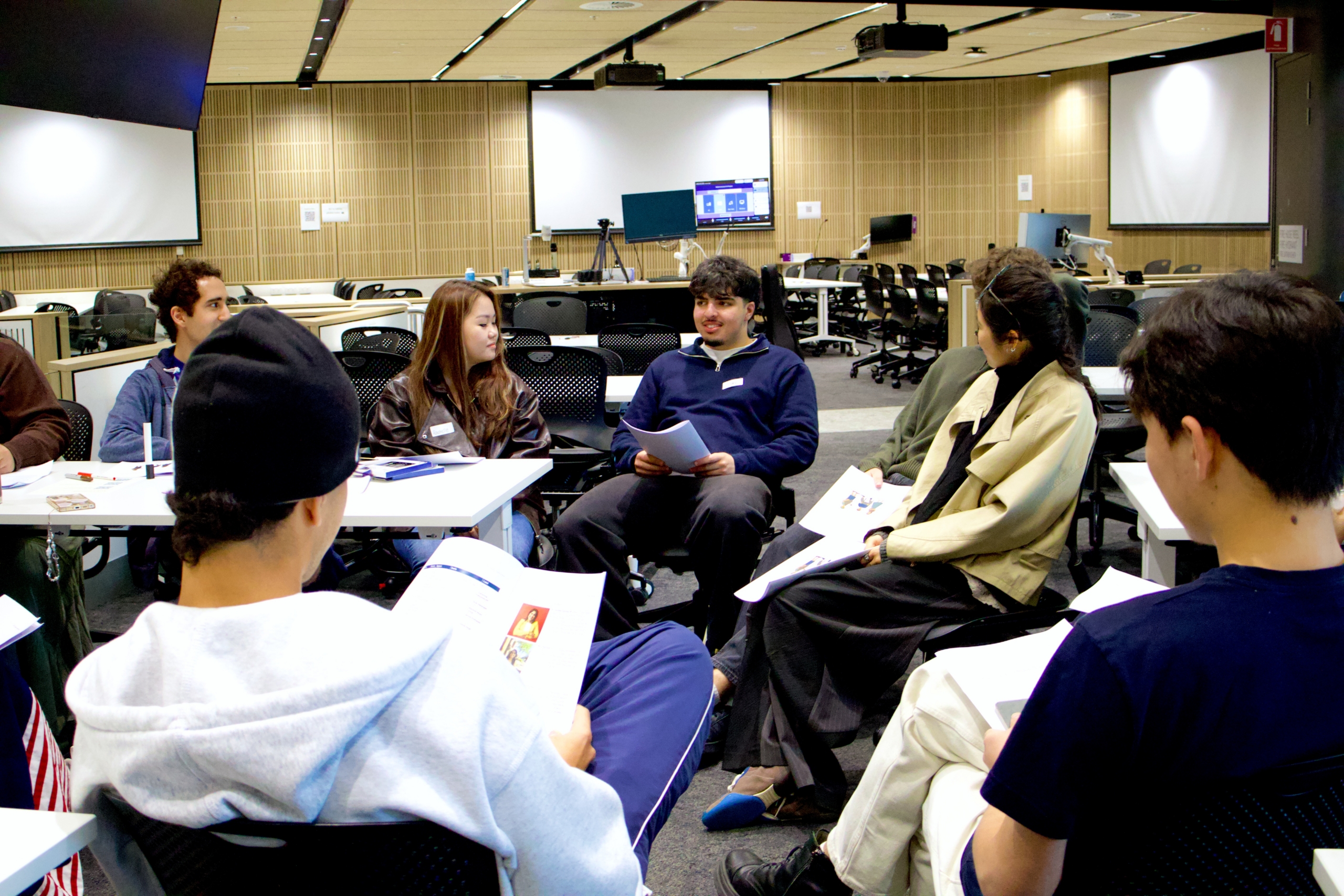
The university students responding to campus issues through meaningful action
A group of students at the University of Technology Sydney are coming together regularly to explore questions related to purpose, unity and service and translating those discussions into acts that respond to local issues.
Key points:
– The YOUTH (Youth Open to Universal Transformation of Humanity) Society aims to empower young people of all backgrounds to contribute towards the transformation of their surroundings
– The society recently held its second Practitioners of Peace conference. The event’s vision was shared with more than 1,000 people across the university.
– Participants explored themes related to the negative and positive forces in society, individual transformation and the transformation of society as one inseparable task, and ideals and action. An entire session was also set aside for concrete planning.
– The event allowed participants to organise acts of service in response to key issues witnessed across campus, including loneliness, substance abuse and mental health.
The young people are members of the YOUTH (Youth Open to Universal Transformation of Humanity) Society. Formed in 2025, the society aims to empower young people of all backgrounds to contribute to the betterment and transformation of their surroundings.
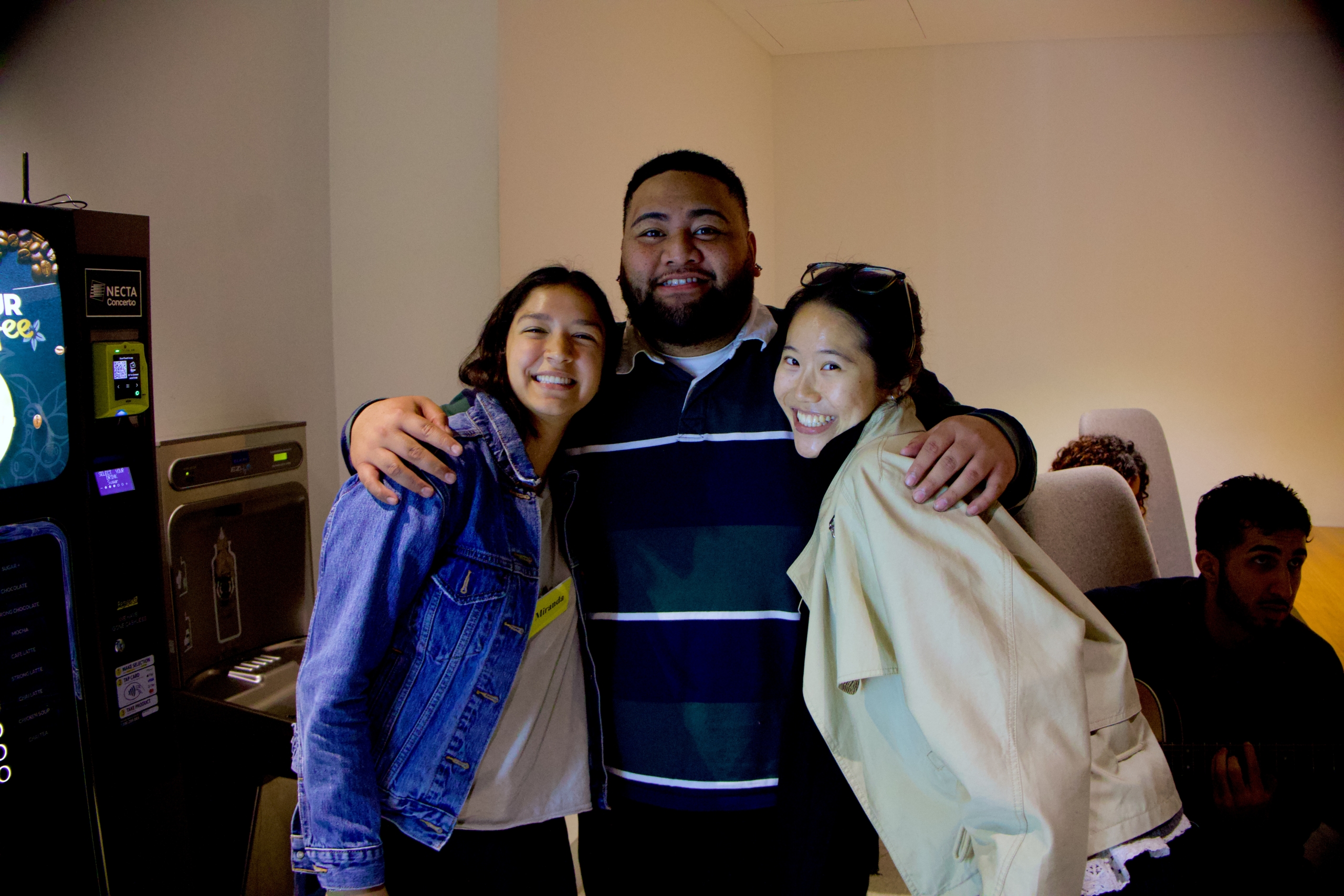
The team says an important aspect of the society was that it was open to all.
“When we decided to establish ourselves in the university setting, we began with conversations across campus, speaking with student clubs of every kind,” the team reflects. “A pattern emerged: many faith societies were oriented inward, serving primarily their own members.”
“We asked ourselves a simple question. Did Baha’u’llah not come for everyone? That question led to a deliberate choice not to call ourselves a Baha’i Society, but to create a space clearly open to all, regardless of background or belief.
“Our aim is to attract pure souls who will discover in the programs a path that helps them give expression to their highest aspirations and dedicate themselves to the service of their contemporaries.”
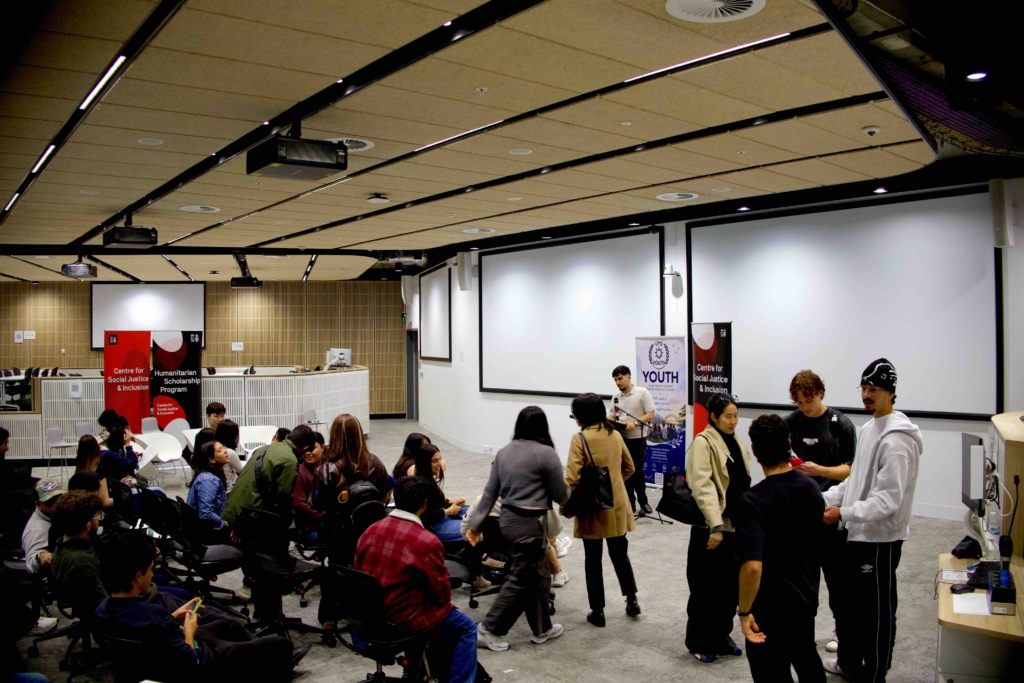
More than 100 friends are connected to the society, but the team says the reach extends well beyond that number. Recently, the society organised its second Practitioners of Peace youth conference where its vision was shared with more than 1,000 students at the university.
“This happened in three ways: through informal conversations; through the support of professors, tutors and lecturers who were impressed enough by the conference theme to share it with their subject cohorts; and through invitations from several of those lecturers to visit their classes and speak about it directly.”
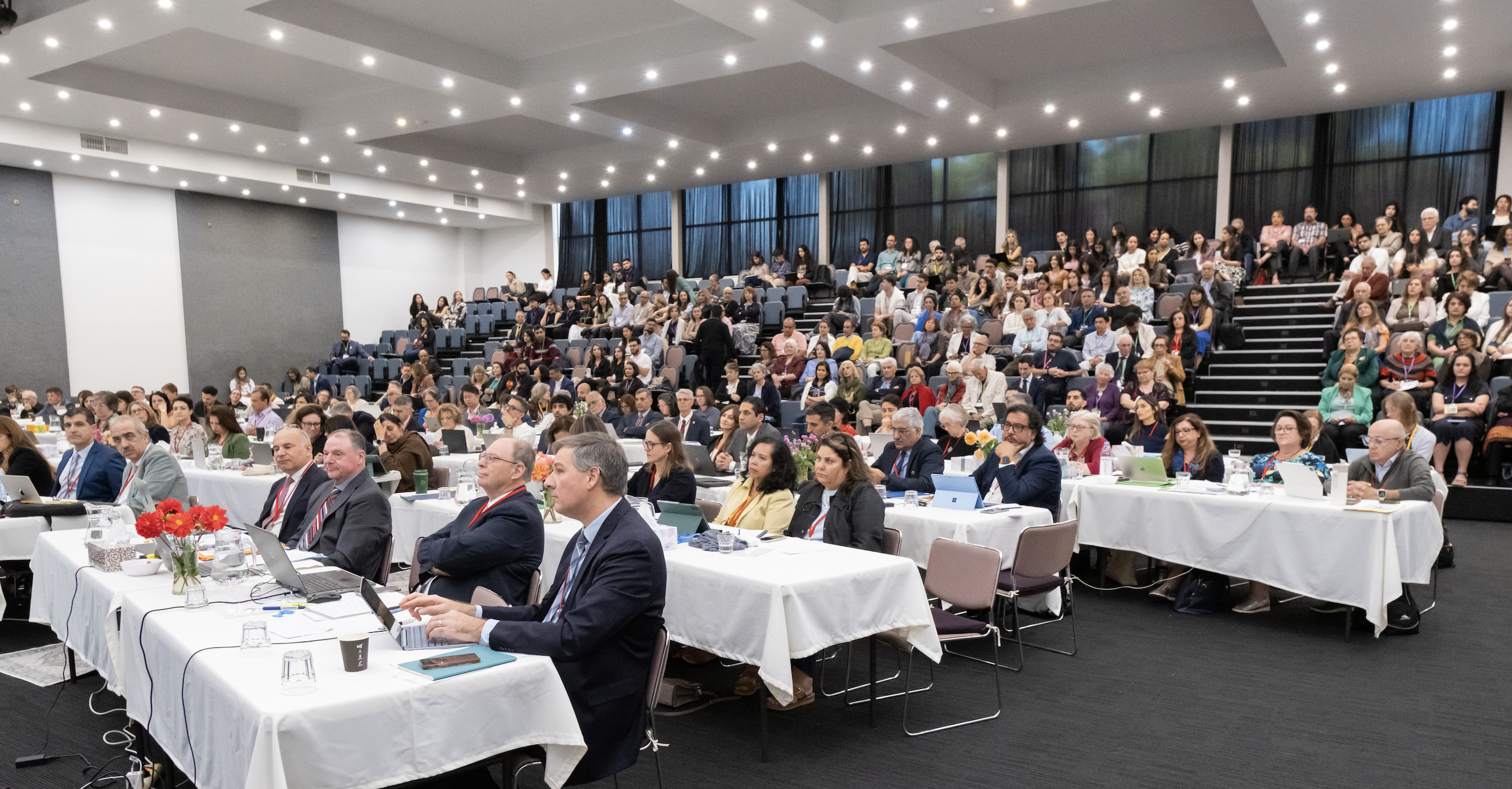
The conference was held over an entire day “so that people had time to think properly, to plan, and to make friendships rather than just attend”. Almost 70 students attended with many more connected to the process.
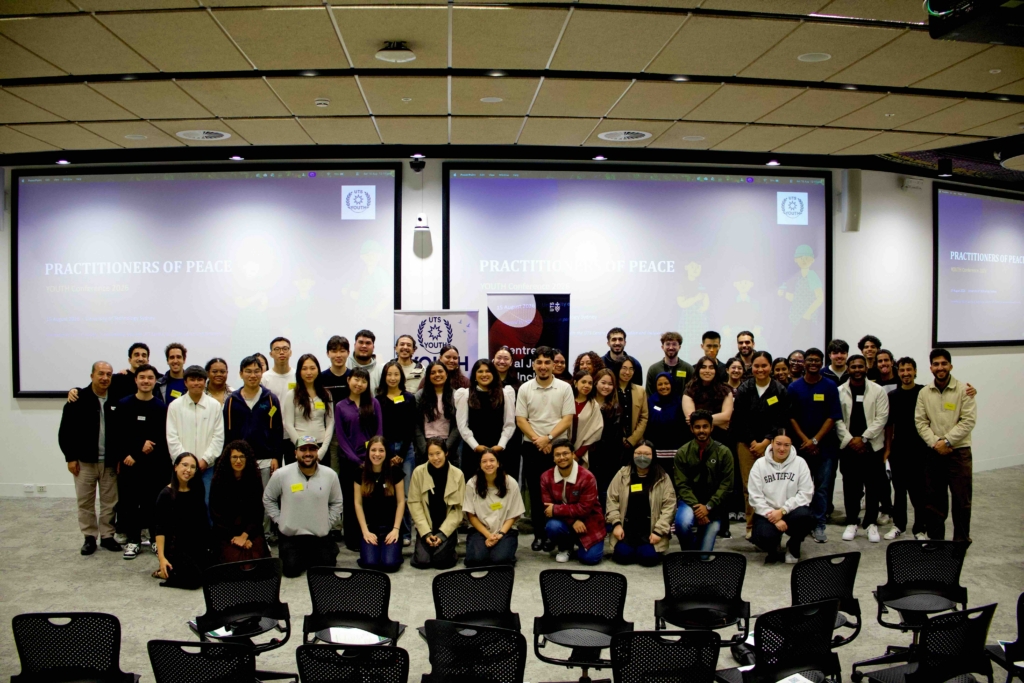
Held in collaboration with the Centre for Social Justice and Inclusion at the university, and with the support of the Vice-Chancellor’s office, the team says preparing for the event connected the society with many like-minded students.
“We reached out to other student societies working on similar themes, particularly cultural societies. All of them responded warmly and were happy to extend the invitation to their own members,” they said.
“The executives of one society were trained as facilitators for the conference itself. We met other students willing to serve as facilitators, and we raised around 20 in total. We also approached a university body that connects students to volunteering, and 15 to 20 of their members reached out wanting to help.”
“Our aim was for every participant to become a protagonist. Not to attend an inspiring day and go home, but to return to their networks inside and outside the university and invite their friends to walk this path with them.”
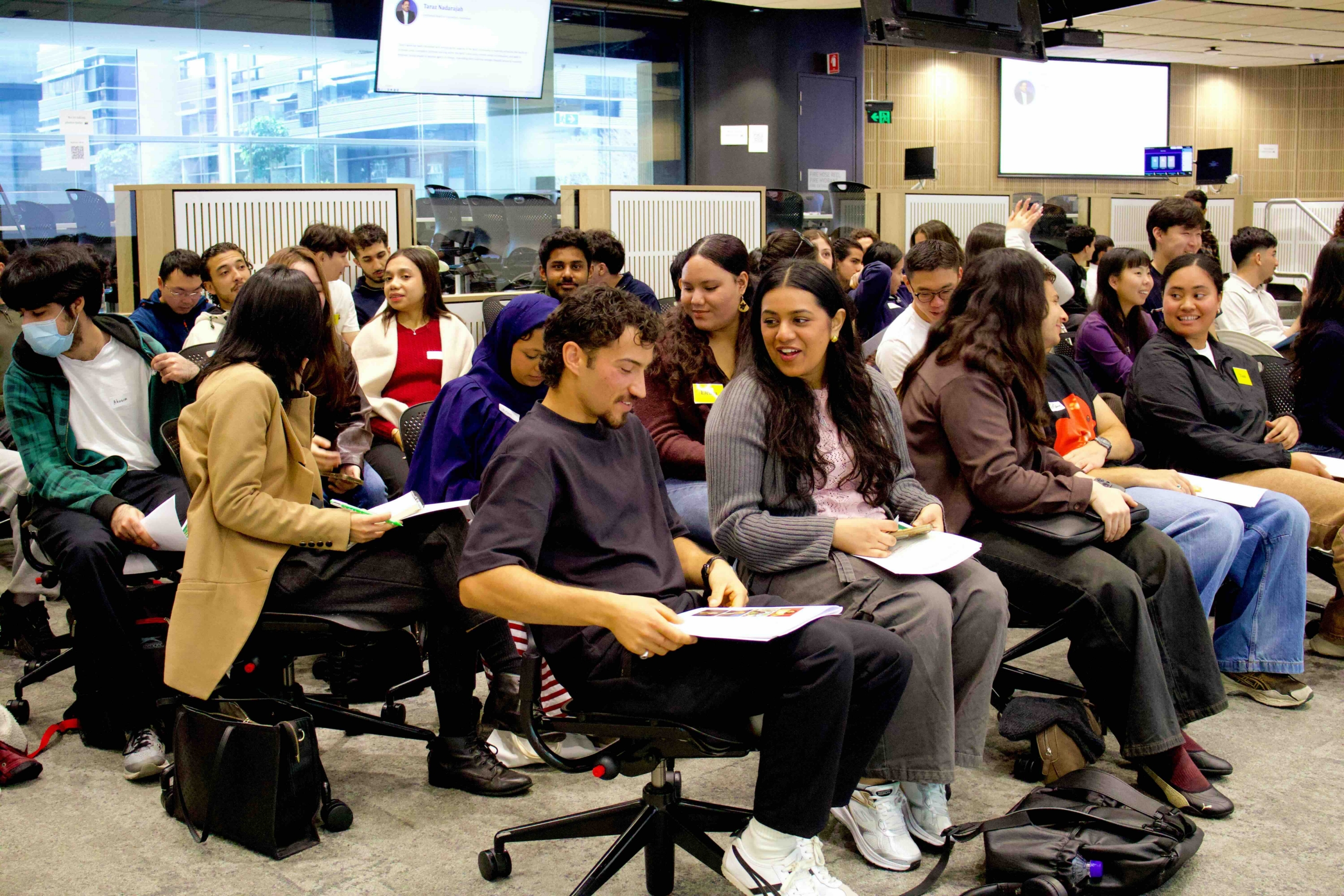
The program featured an Acknowledgement of Country, addresses by a member of parliament, a member of the Continental Board of Counsellors for Australasia and the 2026 Australian Youth Representative to the United Nations as well as Sonal Singh, Head of Equity Pathways at UTS, who was representing the Vice-Chancellor and the Centre for Social Justice and Inclusion.
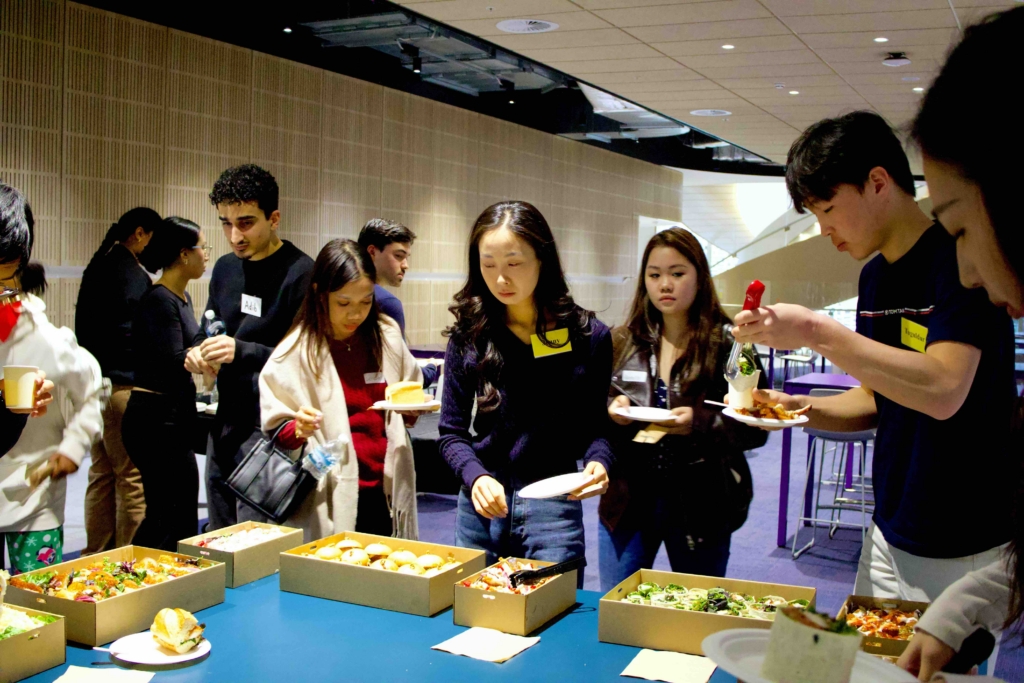
Time was dedicated to music, the screening of films, and networking so “participants met people outside their own group”.
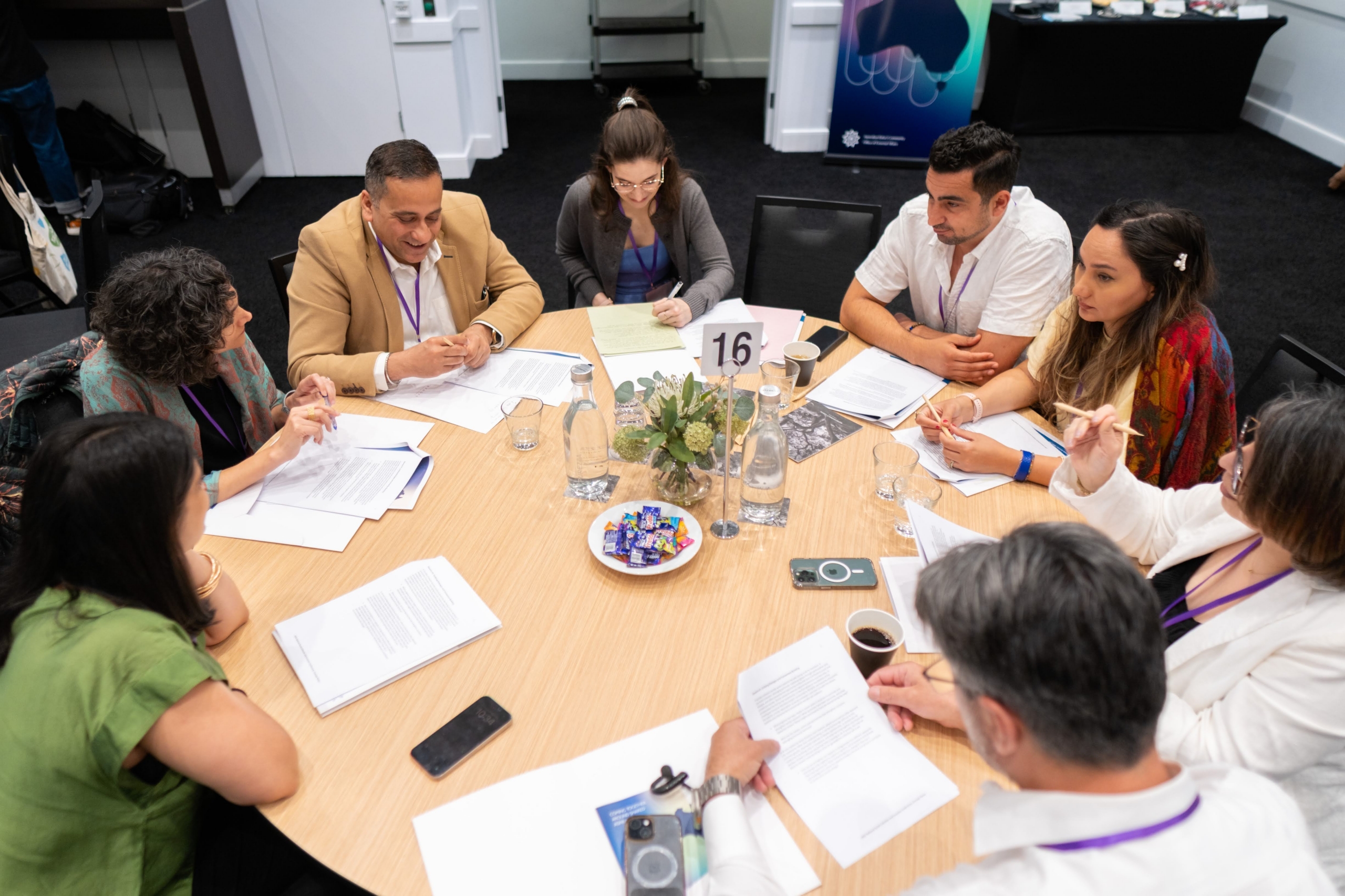
Workshops in smaller groups allowed participants to explore themes related to the negative and positive forces in society, individual transformation and the transformation of society as one inseparable task, and ideals and action. An entire session was also set aside for concrete planning.
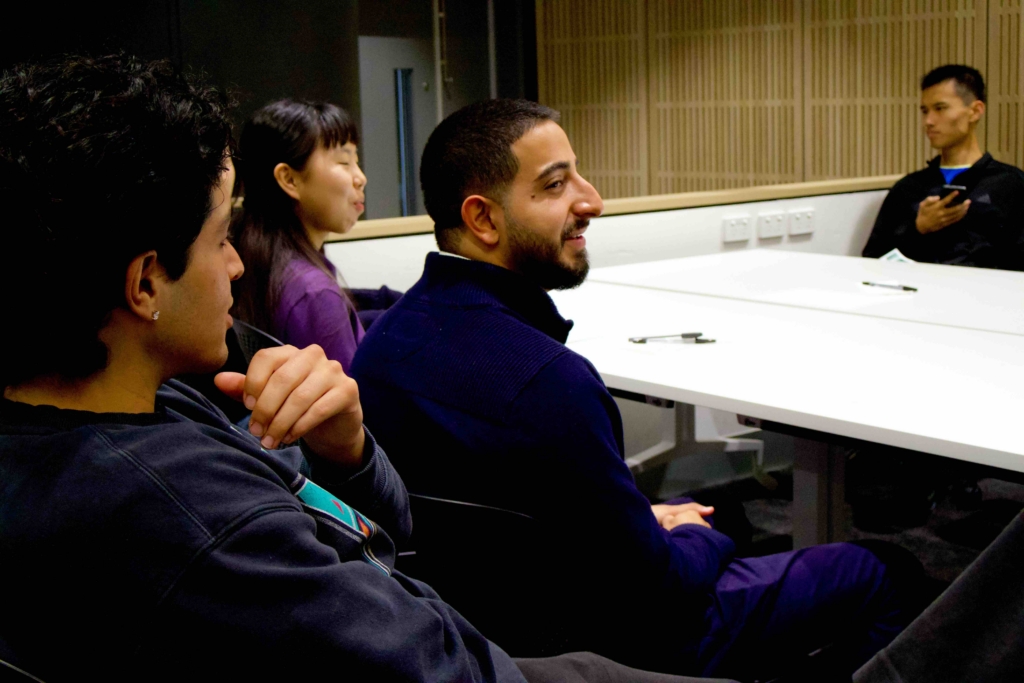
“Concrete plans were made in the room, and this was by design,” the team says. “The main lesson from our first conference was that energy dissipates without a clear next step.”
“No group left before it had put its intentions on a firm footing: contacts exchanged and a group chat started, a date fixed for the next gathering, one thing each person would do before then, one thing the group would begin together and who takes the first step, and someone chosen to speak for them.”
The team reflected that when groups were asked to identify the negative social forces most prevalent in the university setting, the answers were consistent across the board – loneliness and isolation, loss of hope, excessive drinking and substance abuse.
“These were not abstract statistics. They were patterns students could see in their own cohorts,” the team says.
The planning session allowed for participants to answer “those diagnoses directly”, creating creating tangible lines of action in response to those issues.
“Against isolation and hopelessness, groups proposed campaigns of conversations across campus. Recognising the same pressures on younger teenagers, several groups planned to start groups for younger adolescents in their own neighbourhoods, extending the same accompaniment to a younger age group. In response to substance abuse and its visible effects, groups turned to concrete service such as organising care packages for people experiencing homelessness, a modest project rather than something requiring resources or permissions beyond their reach.”
The conference also formed a range of other ideas which the team says will form the basis of the society’s program for the semester including workshops on the use of AI, financial literacy and mental health, “all proposed by participants as ways to serve their fellow students”.
“Some plans have already begun. A group of psychology students is coming together to reflect on how they want to have an impact on seeing their careers through a lens of service.
“Many participants want to take the conference material and facilitate their own study sessions with their friends, which is the most direct way the conversation spreads beyond the day itself.”
Member for Liverpool Charishma Kaliyanda MP said she was struck by the “character and spirit of the day”. “This was a victory in itself, that movements like this often start small and gather momentum quickly,” she said.
The team now hopes that each of the participants views themselves as “a protagonist rather than an attendee” and feels compelled to carry back to their networks what they have learned.
“We will keep meeting and planning, bringing more people into the conversation and taking a more conversational approach to how we engage people day to day.
“Following the conference and our collaboration with students at the University of Sydney, we anticipate a YOUTH Society starting on that campus soon. This is an exciting step. It means we can begin learning about this initiative across multiple universities rather than one.”
Thanks for reading.
Subscribe
YOUTH Society
Formed in 2025, the YOUTH (Youth Open to Universal Transformation of Humanity) Society aims to empower young people of all backgrounds to contribute to the betterment and transformation of society.
Published in September, 2026, in Baha'i Institutions > Events
Available online at: horizons.bahai.org.au/bahai-institutions/the-university-students-responding-to-campus-issues-through-meaningful-action/
Related Stories
Instilling a shared vision for the Sydney Baha’i House of Worship
A spirit of unity, purpose and fellowship characterised a recent gathering held at the Sydney Baha’i House of Worship, bringing together representatives of numerous Baha’i institutions for a day ...
Connecting worship and service at Sydney Temple holiday program
MONA VALE, NSW – The connection between worship and service continues to be reflected at the Sydney Baha’i House of Worship despite the temporary closure of the edifice for restorations. ...

‘The leaven to change the world’: Universal House of Justice member reminds community of purpose in Sydney address
The Baha’i community of Australia has been reminded of the overarching vision that stands before it to contribute to the advancement of society. In June, member of the ...
Temple’s enduring spiritual influence felt at Family Day amid temporary closure
MONA VALE, NSW – Community-building efforts and devotional services continue to unfold in the grounds of Sydney’s Baha’i House of Worship despite the temporary closure of the ...
Learning to foster spaces for reflection, civil dialogue and exploration of different viewpoints
At a time of heightened national reflection on social cohesion and inclusion, institutions, organisations, communities, and individuals across Australia are striving to learn how to foster ...
‘Wholehearted unity’: The sacred atmosphere of the 2026 National Convention
A new video has showcased the sacred nature of Baha’i elections and the distinct atmosphere of the National Convention. Held in April, the National Baha’i Convention ...